


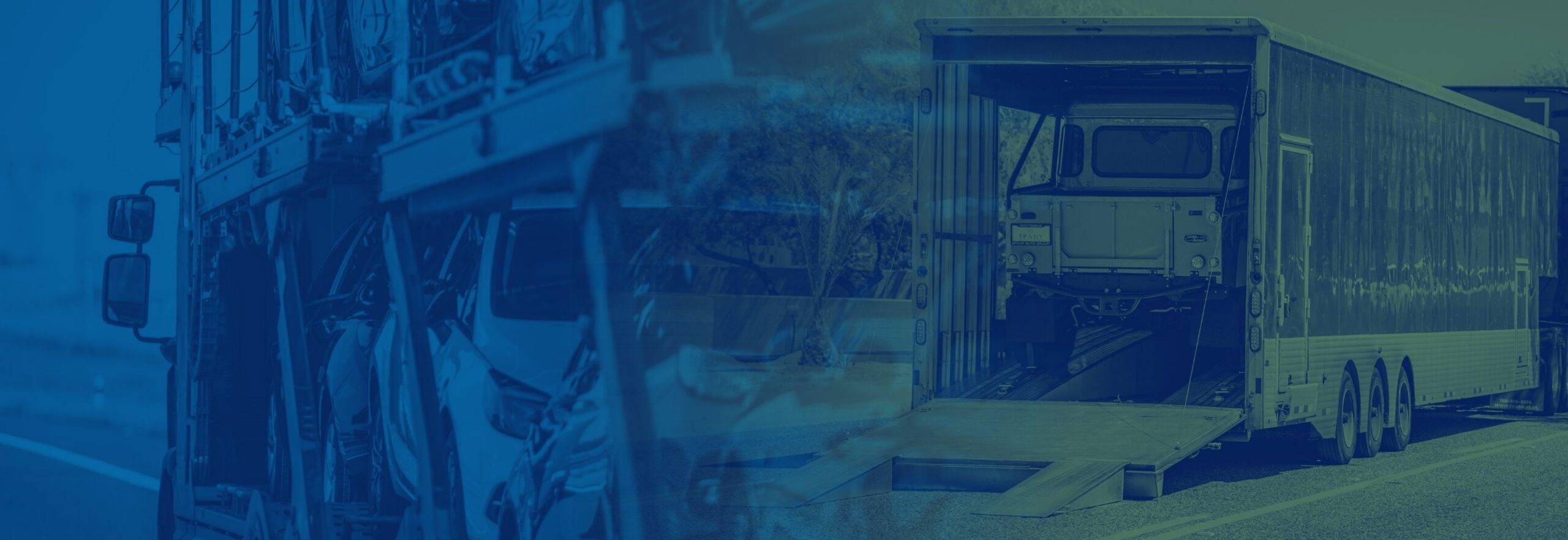
If you’re shipping a vehicle, one of the first decisions you’ll need to make is whether to choose open car transport or enclosed car shipping.
Both options safely move vehicles across the country every day, but they serve different needs. Open transport is the most common and cost-effective shipping method, while enclosed transport provides additional protection for vehicles that require extra care during transit.
For owners of classic cars, exotic vehicles, luxury automobiles, collector cars, and custom builds, enclosed transport is often worth considering because it provides an additional layer of protection throughout the shipping process.
Watch Episode 5 of the RunBuggy Rundown to learn how to choose between open and enclosed vehicle transport.
What Is Open Car Transport?
Open transport uses the multi-vehicle trailers most people recognize on highways every day.
These carriers transport several vehicles at once, making them an efficient and cost-effective option. In fact, most new and used vehicles shipped throughout the United States travel on open carriers at some point during their journey.
For many consumers, open car transport provides a reliable and cost-effective way to move a vehicle across the country while still delivering the visibility and convenience most customers expect.
Open transport is commonly used for:
- Daily drivers
- Family vehicles
- SUVs and trucks
- Standard sedans
- Most online vehicle purchases
What Is Enclosed Car Shipping?
Enclosed car shipping uses fully enclosed trailers that help protect vehicles from weather, road debris, and external exposure during transportation.
Because enclosed carriers typically transport fewer vehicles and require specialized equipment, they are most commonly used when vehicle protection is the highest priority.
Vehicle owners often choose enclosed transport for:
- Classic cars
- Exotic vehicles
- Luxury vehicles
- Collector cars
- Rare vehicles
- Custom builds
Many owners select enclosed car shipping for vehicles that require additional protection throughout the transportation process, particularly when maintaining the vehicle’s condition and appearance is a top concern.
What Are the Advantages of Enclosed Car Shipping?
The primary benefit of enclosed transport is additional protection.
Because the vehicle remains inside a fully covered trailer, it receives greater protection from:
- Rain, snow, and weather exposure
- Road debris
- Dust and dirt
- Environmental conditions during transport
For many everyday vehicles, open transport is perfectly suitable. For owners of collector vehicles, however, enclosed transport often provides additional peace of mind.
This is especially true for vehicles that have significant financial value, sentimental value, or limited availability.
Is Open Transport Safe?
Yes.
Open transport remains the most common vehicle shipping method in the United States and is used extensively by manufacturers, dealerships, auctions, fleets, and individual consumers.
The decision between open and enclosed transport is generally less about safety and more about the level of protection preferred during transit.
Many customers simply evaluate whether the added protection of enclosed transport aligns with the value and purpose of the vehicle being shipped.
What Should You Check Before Booking Enclosed Car Shipping?
Not all enclosed carriers provide the same experience.
Before booking enclosed transport, consider several important factors.
Insurance Coverage
Always verify a carrier’s insurance coverage and understand what protection is included as part of the shipment.
For customers who want additional peace of mind, RunBuggyOne offers optional supplementary coverage of up to $50,000, providing an extra layer of financial protection during transport.
Loading Equipment
Ask about the loading equipment being used.
Vehicles with low ground clearance, specialty wheels, custom body kits, or modified suspensions may require additional loading considerations. Specialized equipment can help reduce the risk of issues during loading and unloading.
Driver Experience
Experience matters when transporting high-value vehicles.
Drivers who regularly handle classics, exotics, luxury vehicles, and specialty automobiles often have greater familiarity with the loading, securing, and transportation requirements these vehicles demand.
How Much Does Classic Car Shipping Cost?
The answer depends on several variables, including:
- Distance
- Route
- Vehicle size
- Market conditions
- Carrier availability
- Transport type
Because many classic vehicle owners prefer enclosed transport, shipping costs may differ from standard open transportation options.
However, most owners evaluate transportation services based on overall vehicle protection and service quality rather than focusing solely on price.
How Much Does Exotic Car Transport Cost?
Exotic car transport follows many of the same pricing considerations.
Vehicle owners frequently prioritize:
- Enclosed transport
- Specialized loading procedures
- Experienced drivers
- Additional insurance considerations
- Premium handling procedures
As a result, the conversation often centers on protection and handling quality rather than transportation cost alone.
What Should Buyers Consider When Purchasing a Vehicle From Another State?
Many consumers purchasing collector vehicles, exotic cars, and specialty inventory never see the vehicle in person until delivery.
In these situations, transportation becomes an important part of protecting the vehicle during transit. This is one reason buyers often spend time researching what to expect when shipping a vehicle across state lines before scheduling transport.
Similarly, many consumers find that buying a vehicle from an out-of-state seller requires thoughtful planning around inspection, transportation, documentation, and delivery expectations, especially when the vehicle cannot be viewed in person before purchase.
When Should You Choose Enclosed Car Shipping?
Enclosed transport often makes sense when:
- The vehicle has collector value
- The vehicle is difficult to replace
- The vehicle has significant sentimental value
- Additional protection is desired during transport
- The vehicle has specialty finishes, modifications, or custom components
For many owners, the decision comes down to balancing transportation cost with the value of added protection.
Which Option Is Right for You?
Both open and enclosed transportation provide reliable ways to move vehicles.
For most daily drivers, open transport offers an efficient and economical solution.
For classic, exotic, luxury, and collector vehicles, enclosed transport provides additional protection that many owners consider worthwhile. If you have a high-value vehicle requiring white-glove transport, RunBuggy Reserve may be the better option for your move rather than standard enclosed transport.
Ultimately, the right choice depends on the vehicle you’re shipping, your priorities, and the level of protection you want throughout the transportation process.
Ready to Ship Your Vehicle?
Whether you’re transporting a daily driver, a luxury vehicle, or a prized collector car, RunBuggyOne provides transparent pricing, vetted transporters, shipment visibility, and transportation options tailored to your needs.
FAQs
What is enclosed car shipping?
Enclosed car shipping transports vehicles inside a fully enclosed trailer, providing additional protection from weather, road debris, and environmental exposure during transit.
Is enclosed car shipping worth it?
For many owners of classic, exotic, luxury, and collector vehicles, enclosed transport provides valuable protection and peace of mind during transportation.
How much does classic car shipping cost?
Classic car shipping costs vary based on distance, route, vehicle size, carrier availability, timing, and whether open or enclosed transport is selected.
How much does exotic car transport cost?
Exotic vehicle transport costs depend on transportation distance, service requirements, market conditions, carrier availability, and the level of protection requested.
Is enclosed transport safer than open transport?
Both methods safely transport vehicles. Enclosed transport provides additional protection from weather and road debris, while open transport remains the industry’s most commonly used transportation method.
