

You need to move a vehicle from Point A to Point B, but Point B is 500 miles away. Maybe you are moving to a new city, sending a kid off to college, or you just bought a car online. Now comes the logistical headache: What’s the best way to get my car there?
When people research long distance car towing, they usually default to two options: driving it themselves or renting a dolly to tow it behind a moving truck. But are those actually the safest or most cost-effective methods? Before you hitch up a trailer or commit to a 12-hour road trip, let’s look at long distance towing costs and help you find the right solution.
Option 1: The “DIY” Tow (Renting a Dolly or Trailer)
If you are already renting a moving truck, the rental company will likely offer you a tow dolly (two wheels up) or a trailer (all four wheels up).
- The Pros: It seems convenient since you are driving the truck anyway.
- The Cons:
- Safety Risk: If you have never handled long distance car towing with a large box truck and a vehicle attached, you are in for a white-knuckle experience.
- Wear and Tear: If you are towing with your own personal truck instead of a rental, you are putting massive strain on your transmission and brakes.
- Fuel Economy: Towing a car drastically reduces your gas mileage, often doubling your fuel costs.
Option 2: The “Marathon” Drive
The second option is simply driving the car to the destination yourself (or having a friend do it).
- The Pros: You have total control over the vehicle.
- The Cons:
- Hidden Costs: It’s not just gas. Factor in hotels, food, and the time off work.
- Depreciation: Putting 1,000+ highway miles on your car lowers its resale value.
- The “Return Trip” Problem: If you aren’t staying at the destination, you’ll need a flight or bus ticket home.
Option #3: Tow Company
Can you just call a local towing company?
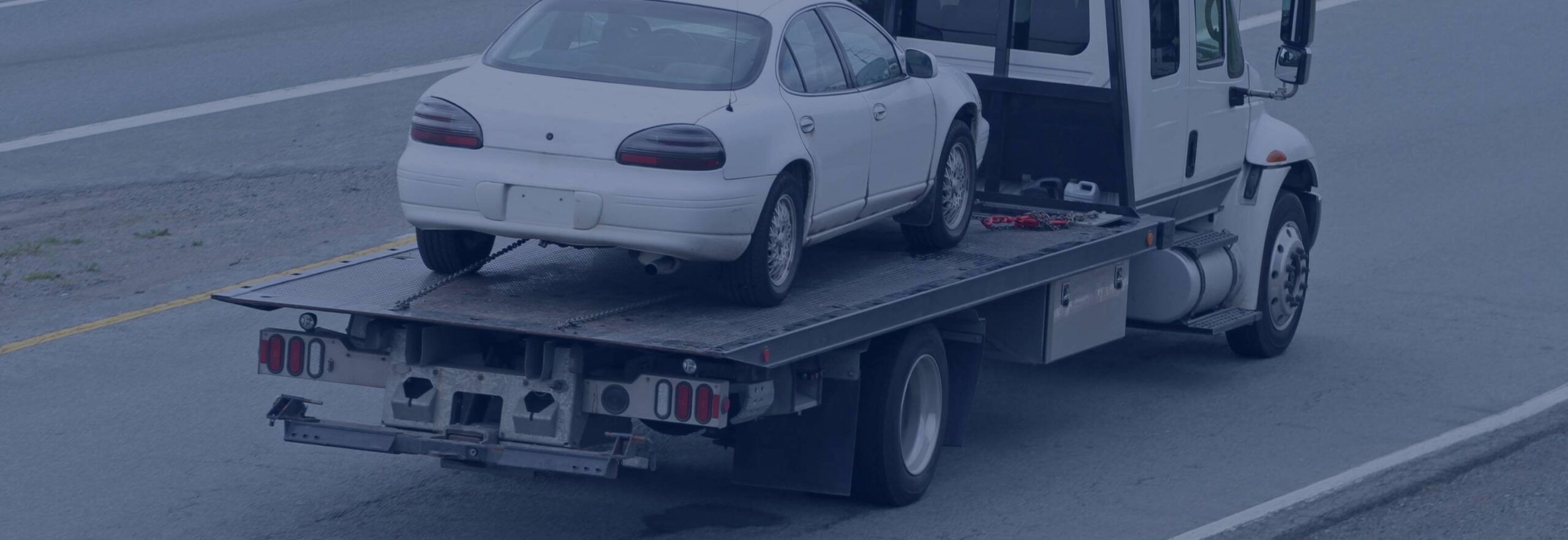
- The Reality: Local tow trucks are designed for emergencies, not logistics. They typically charge by the mile (often $3 to $5 per mile).
- The Math: For a 500-mile move, long distance towing costs with a traditional wrecker could easily exceed $2,000. This is almost always the most expensive route.
What is the Cheapest Way to Tow a Car Long Distance?
When you run the numbers, professional auto transport (like RunBuggyOne) is frequently the cheapest (an easiest) way to transport a car long distance when you factor in time and hidden expenses.
With RunBuggyOne, your vehicle is loaded onto a multi-car hauler—the same kind dealerships use. Because the carrier is moving multiple cars at once, the cost per vehicle drops significantly compared to a dedicated tow truck.
- Zero Wear and Tear: Your car puts on zero miles. No additional wear on tires or the engine.
- Your Time Back: You can fly to your destination or focus on handling the moving truck and meet your car there.
- Safety: Your vehicle is transported by a vetted professional with commercial insurance.
- Door-to-Door: We pick it up from your driveway and drop it off at your new address.
The Cost Breakdown: Is It Worth It?
Let’s look at the math for a theoretical 1,000-mile move:
| Factor | DIY Towing/Driving | RunBuggyOne Shipping |
| Effort | High (Driving for 15+ hours) | Low (handle everything online) |
| Vehicle Mileage | +1,000 miles added | 0 miles added |
| Risk | Fatigue, Road Debris, Accidents | Professional Handling |
| Hidden Costs | Hotels, Food, Gas, Trailer Rental | None (The Price You See is the Price You Pay) |
The Verdict
If you are moving under 200 miles, driving the car yourself usually makes sense.
However, for moves across state lines and cross country, professional shipping is often the cheapest, easiest, and safest way to tow a car long distance. It saves your weekends, keeps miles off your odometer, and prevents the stress of dragging a trailer down the interstate.
Curious about the cost?
See how affordable car shipping can be with RunBuggyOne. Get an instant, guaranteed quote in seconds.